Alright, let's talk commercial painting. I get a lot of calls from business owners around Yakima, from downtown storefronts to the warehouses out by the airport, and there are always a few questions that pop up again and again. It makes sense; painting a business isn't like painting your living room. There's more at stake, more to plan for. So, I figured I'd lay out the honest answers to what you're probably wondering.
What's the biggest difference between commercial and residential painting?
Honestly, it's mostly about scale and disruption. Residential jobs are usually smaller, and while you want to be tidy, a bit of dust or noise during the day isn't usually a huge deal. With commercial, you're often dealing with much larger surfaces, higher ceilings, and sometimes specialized equipment like lifts. But the biggest thing is keeping your business running. We can't just shut down a busy restaurant on 1st Street for a week. We're talking about working around your hours, maybe nights or weekends, to minimize impact on your customers and employees. It also often involves more durable paints and coatings designed for high-traffic areas, not just typical interior house paint.
How long does a commercial painting project usually take?
That's like asking how long a piece of string is, right? It totally depends. Are we painting a small office suite or a multi-story building? Is it just the interior, or exterior too? What kind of prep work is needed? A small retail space might be a few days, especially if we're working after hours. A larger industrial building could take weeks. We'll give you a clear timeline once we've seen the scope, but expect it to be a bit more involved than a residential job. The key is planning; good planning makes the whole thing go smoother and faster.
Will my business have to close during painting?
Our goal is always to keep you open. That's usually the number one concern for business owners. We're used to working around your schedule. For interior jobs, that often means evenings, nights, or weekends. We'll section off areas, use proper ventilation, and make sure everything's clean and safe before your doors open again. For exterior work, we usually don't need you to close, but we'll make sure to clearly mark work zones and keep things tidy. We've done jobs where we paint half a wall at a time, moving equipment and materials so customers can still get through. It's all about coordination.
What kind of paint do you use for commercial jobs?
We don't just grab a can off the shelf. Commercial projects often demand more durable, specialized coatings. We're talking about paints that can withstand heavy foot traffic, frequent cleaning, or even specific environmental conditions. For example, a restaurant kitchen needs a different type of paint than an office lobby. We might use epoxy coatings for floors, low-VOC (volatile organic compound) paints for indoor air quality, or elastomeric coatings for exterior walls that need to stretch and move with the building, especially with our Yakima summers and winters. We'll recommend the best product for your specific needs, focusing on longevity and performance.
How much does commercial painting cost?
Again, this isn't a one-size-fits-all answer. The cost depends on several factors:
- Size of the area: Square footage is a big one.
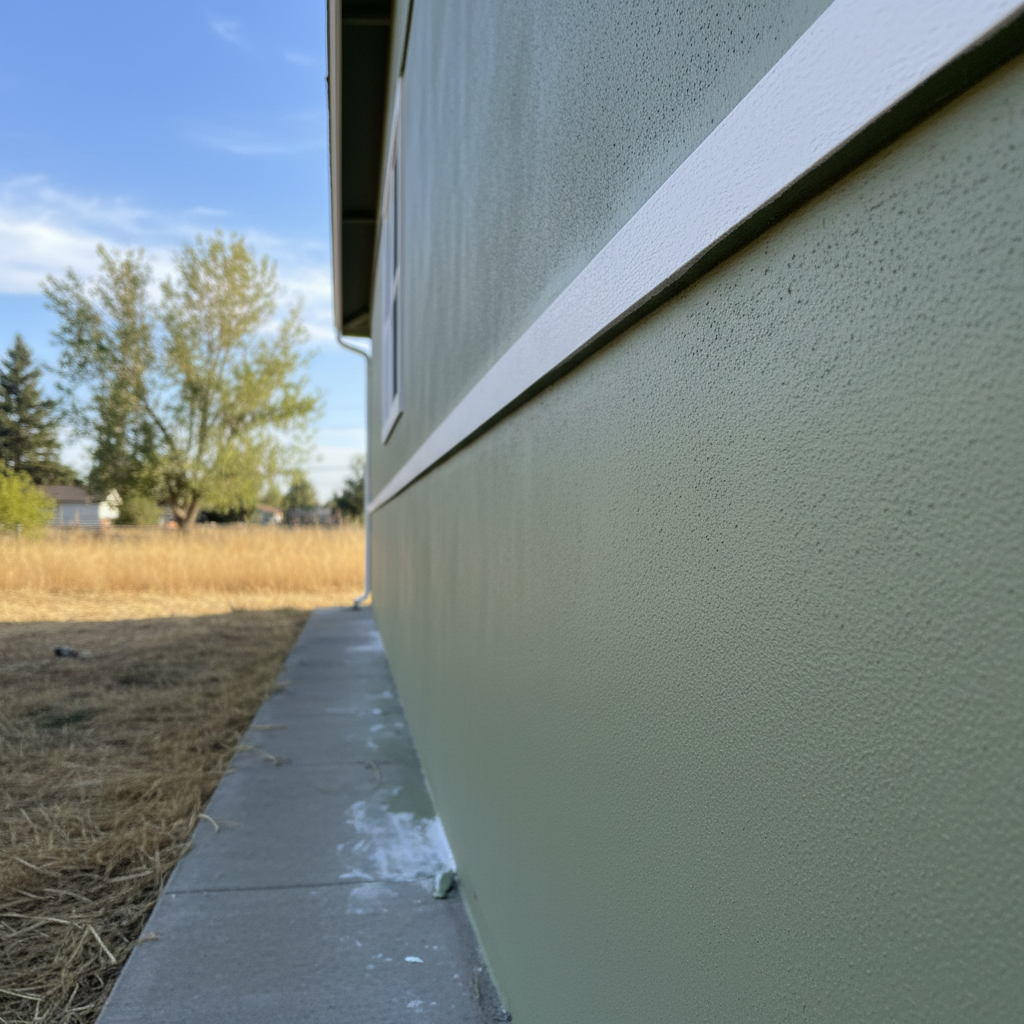
- Type of surfaces: Are we painting drywall, stucco, metal siding, brick? Each requires different prep and paint.
- Condition of surfaces: Lots of repairs, patching, or extensive cleaning will add to the cost.
- Type of paint: Specialized coatings are generally more expensive than standard latex.
- Accessibility: High ceilings or difficult-to-reach areas might require lifts or scaffolding, adding labor and equipment costs.
- Timeline: If you need it done yesterday, that might involve more crew members working overtime.
The best way to get an accurate quote is for us to come out and take a look. We'll give you a detailed breakdown so you know exactly what you're paying for.
Do I need to do anything to prepare my business for painting?
We handle most of the heavy lifting, but a little help from you makes things smoother. For interior jobs, we'll ask you to remove any small, fragile items, clear off desks, and generally make the area as accessible as possible. We'll move larger furniture, cover everything with plastic sheeting, and protect your floors. For exterior work, just make sure any vehicles are moved away from the building and we have clear access to the perimeter. We'll take care of the rest – cleaning, patching, priming. Our goal is to make it as hassle-free for you as possible.
What about permits or HOA approvals?
This is a good question, especially if your business is in a historic district or part of a larger complex like a strip mall. For exterior painting, you might need city permits, especially if you're changing the color significantly or if your building has specific architectural guidelines. If you're in a business park or a commercial condo, there might be HOA rules about approved colors or materials. It's always best to check with your property manager or the City of Yakima's planning department beforehand. We can help guide you on what to look into, but ultimately, securing these approvals usually falls on the property owner.
Look, I know a commercial painting project can feel like a big undertaking. But with the right team, it doesn't have to be a headache. We've been doing this for years at Yakima Painting Company, and we're here to make your business look its best without disrupting your bottom line. Give us a call when you're ready to talk details.