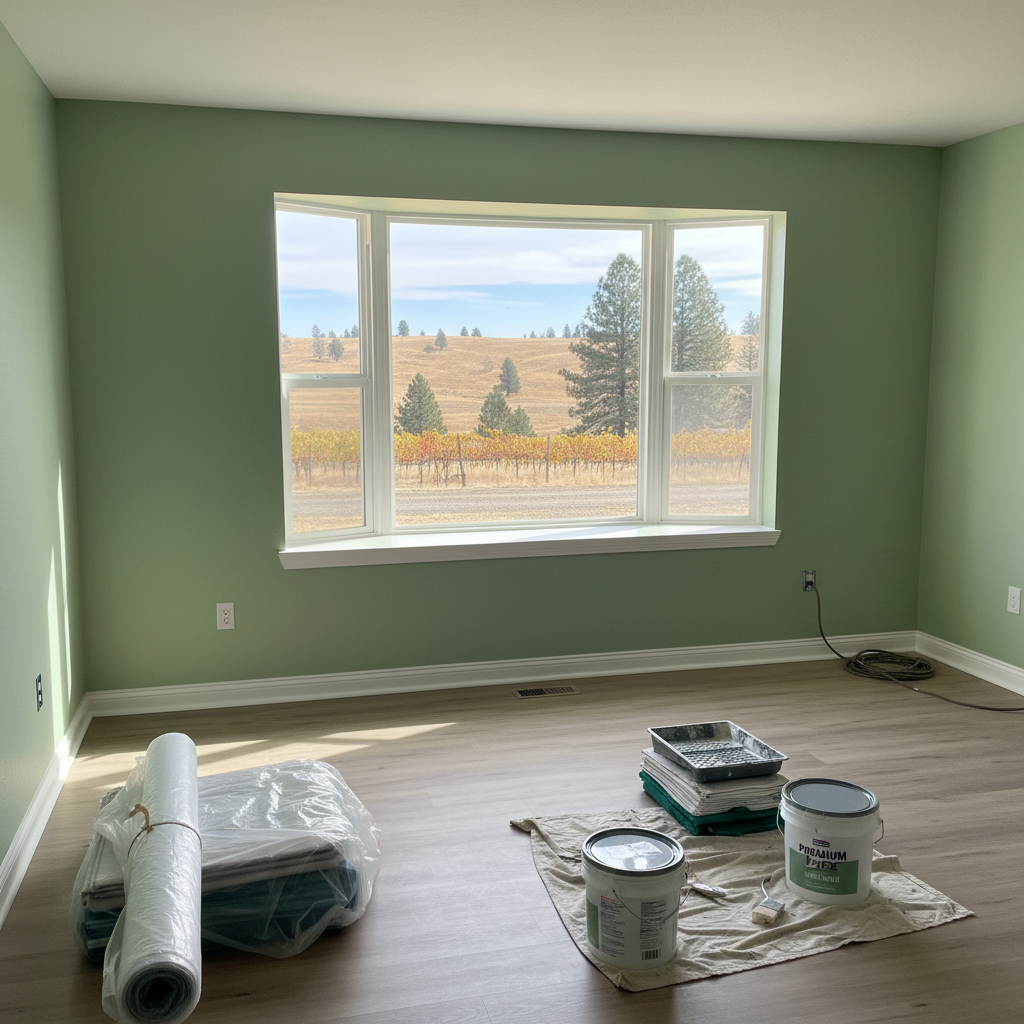
Ever wonder when's the best time to tackle that interior paint job? You might think, 'It's inside, so who cares about the weather?' Well, around here in Yakima, it actually matters a lot more than folks realize. I've been doing this for years with Yakima Painting Company, and I've seen firsthand how our unique climate can really impact your interior paint.
Why Yakima's Climate Matters for Interior Paint
Our valley has some pretty distinct seasons, doesn't it? We get those scorching hot, dry summers, and then the chilly, damp, sometimes snowy winters. What does that mean for your walls? It's all about humidity and temperature, really. Paint needs specific conditions to cure properly. If it's too hot, too cold, or too humid, you're just not going to get the finish you want, and it won't last as long, plain and simple.
Think about it: if the air is super dry, like it often is in July and August, paint can dry too fast. That sounds good, but it can actually lead to cracking or an uneven finish because it doesn't have enough time to level out. On the flip side, if it's too humid—say, during a particularly wet spring or a foggy winter day—the paint takes forever to dry. That means more dust can settle in it, and it might not cure to its full hardness. So, it ends up softer and more prone to scuffs.
The Best Times to Schedule Your Interior Painting
So, when's the sweet spot? Generally, I tell people the shoulder seasons are your best bet. That means late spring and early fall.
Late Spring (April to early June): The air is usually warming up, but it's not scorching yet. We often get some nice breezes, and the humidity levels are pretty moderate. You can open windows for good ventilation without freezing or baking your house. This really helps the paint off-gas and dry naturally.
Early Fall (September to October): Similar to spring, the temperatures are usually mild and consistent. The air isn't overly dry from summer, and we haven't hit the really cold, damp weather yet. Again, good ventilation is easy to achieve then.
Can you paint in winter or summer? Sure, you can. We do it all the time, in fact. But you've got to be more careful about controlling the indoor environment. In summer, you'll want to run your AC to keep temps stable and manage humidity. In winter, you'll be relying on your furnace, and you'll need to be mindful of ventilation without letting too much cold air in. It just adds another layer of complexity, you know?
Weather Conditions That Affect Your Work
Even indoors, the weather outside sneaks in. Here's what I'm always thinking about:
Temperature: Most paints perform best between 60-80°F. If it's too cold, paint gets thick and doesn't spread well; if it's too hot, it dries too fast. We're talking about the temperature of the walls themselves, not just the air in the room.
Humidity: This is a big one. High humidity slows drying and curing, which can lead to drips, sags, and a weaker film. Low humidity, like when we get those really dry east winds blowing through the valley, can make paint dry too quickly. That often leads to brush marks or an uneven look.
Ventilation: This isn't strictly weather, but it's related. Good airflow helps paint dry evenly and carries away fumes. Even on a slightly chilly day, cracking a window or using fans can make a huge difference. Just don't create a strong draft that makes the paint dry too fast in one spot.
When we're working on a project—say, in a home up in the West Valley where the air can feel a bit different than downtown—we're always monitoring these conditions. We'll adjust our methods, use different fan setups, or even recommend waiting a day if the conditions aren't ideal. It's all about getting you the best result, after all.
Protecting Your Interior Paint Investment Year-Round
Once the paint's on and cured, you want it to last, right? Here's how to keep it looking great:
Maintain Stable Indoor Conditions: Try to keep your home's temperature and humidity as consistent as possible. Wild swings aren't great for anything in your house, including your paint. If you've got a humidifier or dehumidifier, use it, especially during extreme seasons.
Clean Gently: Don't scrub your walls with harsh chemicals or abrasive sponges. Most modern paints are pretty durable, but a soft cloth with mild soap and water is usually all you need for spot cleaning. If you've got kids or pets, consider a washable, higher-sheen paint in high-traffic areas.
Touch-Ups: Keep a small amount of leftover paint. Scuffs and dings happen. A quick, careful touch-up can save you from a bigger repaint down the road. Just make sure the surface is clean before you touch up.
Address Issues Promptly: See a water stain? Don't ignore it. That means you've got a leak somewhere, and it's not just bad for your paint; it's bad for your house. Fix the underlying problem before you try to paint over it.
Paying attention to these details—from scheduling your paint job to how you care for it afterward—will make a big difference in how long your interior paint looks fresh and vibrant. It's not just about slapping on a coat; it's about understanding the environment you're working in. If you've got questions or need a hand with your next project, you know who to call. We're always here to help you make your home look its best.